
Free in-home measure and quote - PGT, CGI and CWS impact lines compared on your actual openings, style by style
Sliding glass doors
Impact garage doorsPGTCGI
 Before
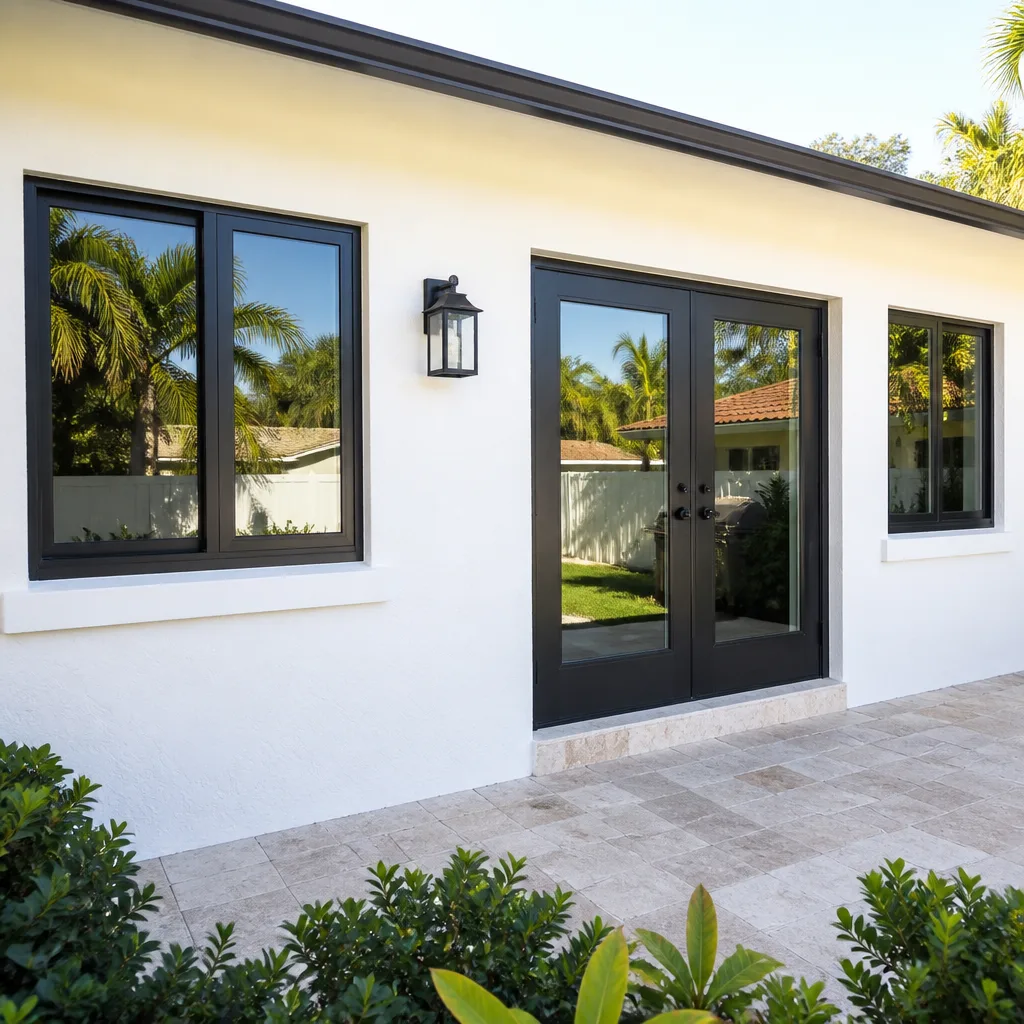 After
After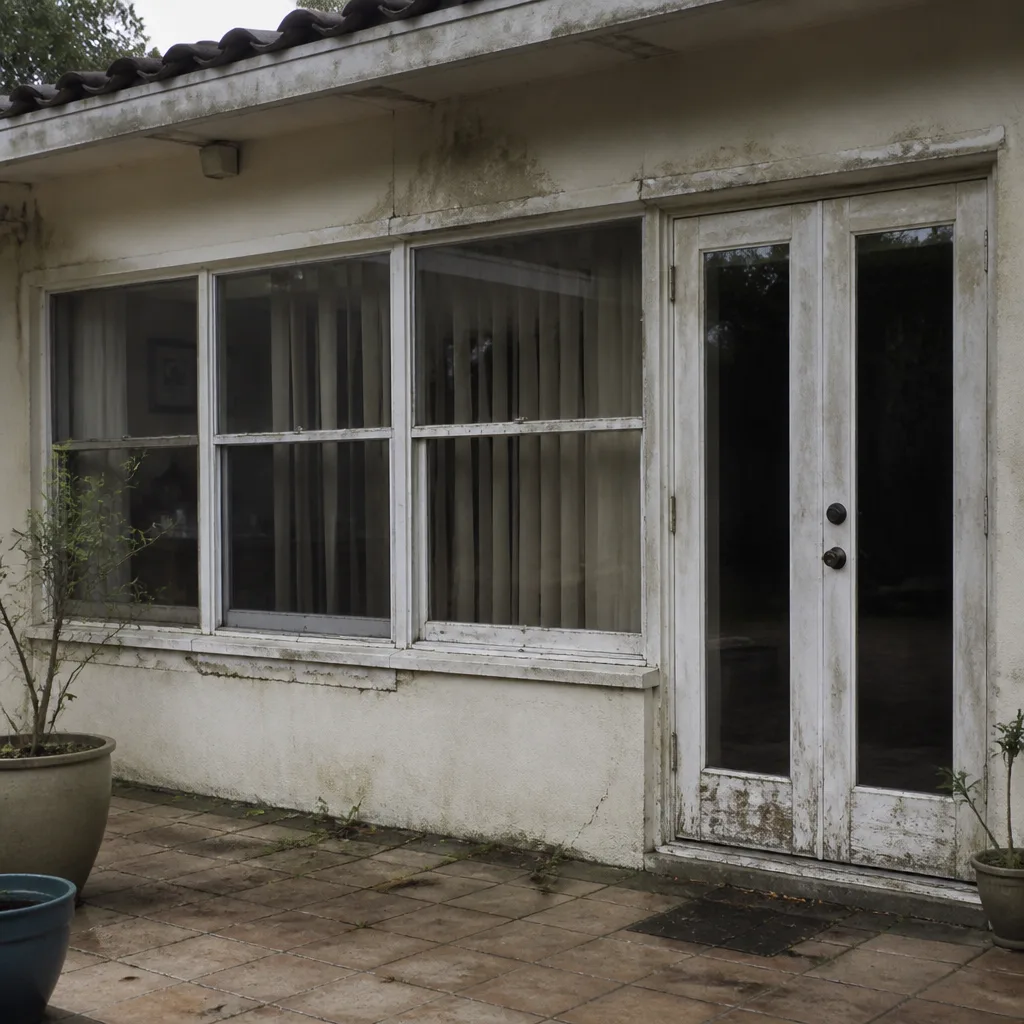 Before
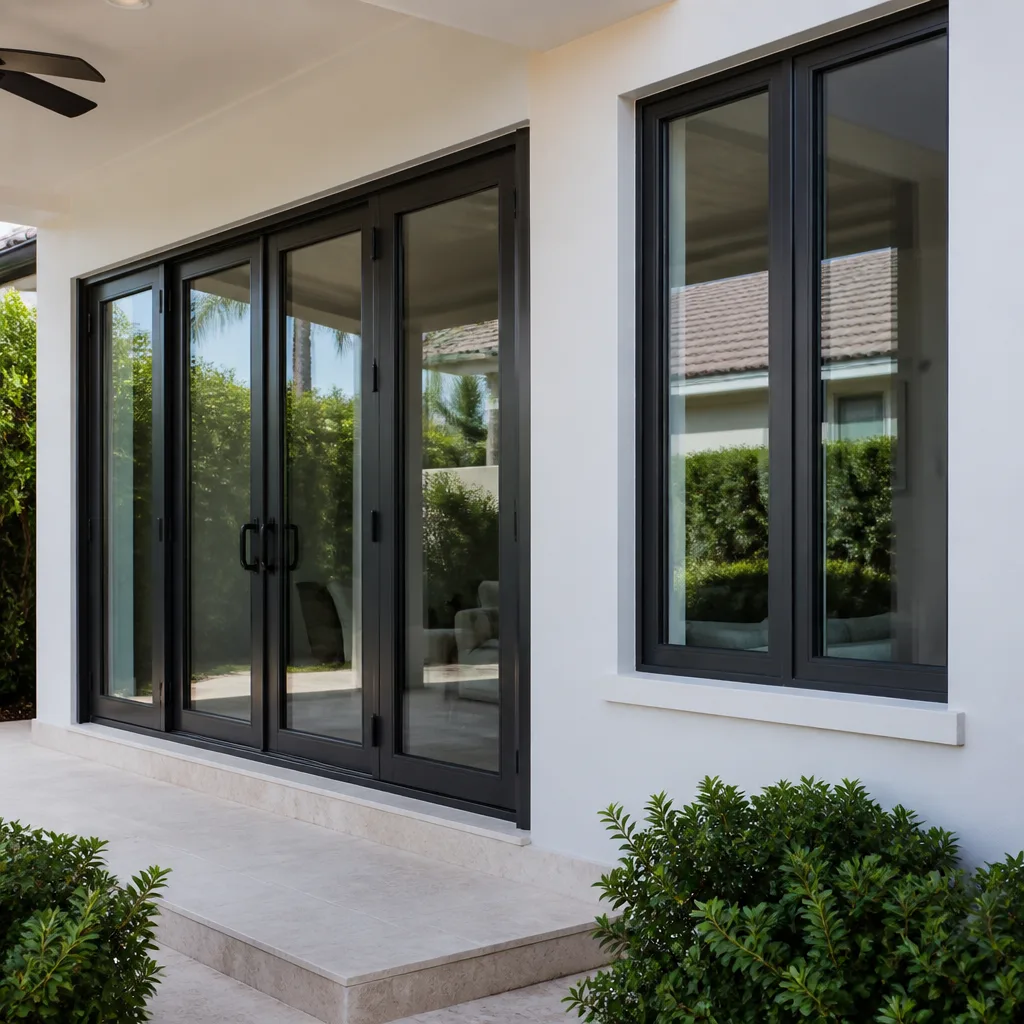 After
After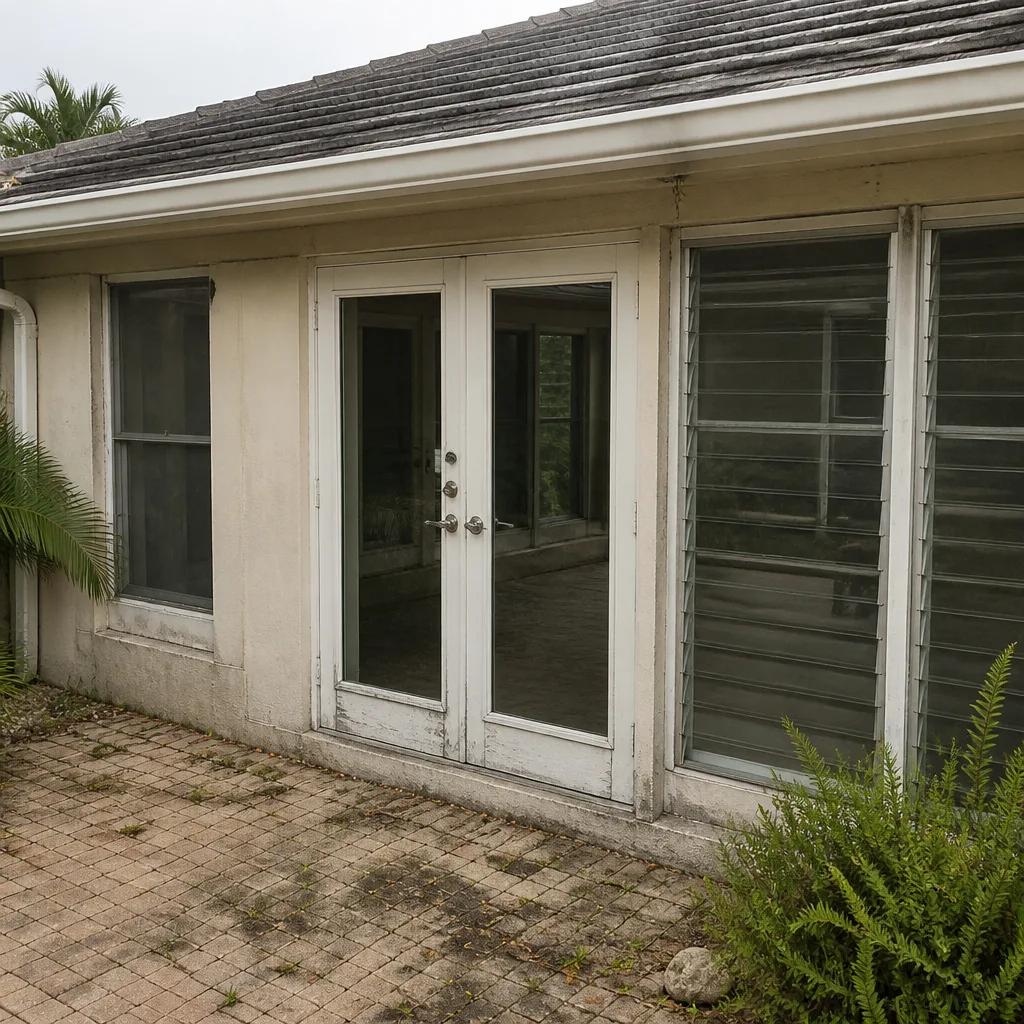 Before
 After
AfterCWS Energy-Efficient Windows in Palmetto Bay: What to Know First
CWS energy-efficient window service in Palmetto Bay runs from diagnosis through repair or full replacement, and we handle it as an independent CWS service provider, not a factory line. Most CWS jobs in this part of Miami-Dade come down to one of two things: failed seals that fog the glass, or frames that have shifted enough to let conditioned air slip out. You can expect an honest written quote before any work starts, and the majority of repairs are completed in a single visit. If you own CWS windows and the electric bill has crept up, or you feel heat bleeding through the glass on an August afternoon, call (386) 200-9224 and we’ll put eyes on it.
This page is written for homeowners in Palmetto Bay who bought CWS windows years ago and have started to notice the small failures that show up first: condensation between panes, a room that won’t hold temperature, or glass that’s hot to the touch by midafternoon. We’ll walk through what actually fails on these units, what it costs to set right, and why we approach CWS work differently than a general contractor would.
How CWS Products Fail - and How We Fix Them
CWS built a reputation for hurricane-rated aluminum and vinyl lines that hold up to wind load, but energy efficiency is where we see most service calls in Palmetto Bay. Here are the five failures we see most often on CWS units, and what we do about each one.
- Seal failure on the CWS 7800 series insulated glass units. The desiccant strip inside the spacer breaks down after a decade or so of South Florida humidity, and once that happens, moisture gets between the panes and the argon or krypton fill is gone. The window still closes, but it’s no longer insulating. We don’t patch a fogged IGU. We measure the sash, order a replacement unit matched to the original low-E coating, and set it with fresh glazing tape. In Palmetto Bay, where summer humidity runs well past eighty percent, a fogged unit is never going to clear on its own.
- Frame rack on CWS 600 series single-hung windows. The aluminum extrusion on these older units is solid, but the corner welds can flex over time, especially on west-facing walls that take full afternoon sun. A racked frame means the weatherstripping no longer seats, and you get a steady draft even when the window’s locked. We pull the sash, check the frame for square, and either re-shim the opening or rebuild the corner joint. If the frame is too far gone, we’ll tell you that replacement is the honest call rather than charging for a repair that won’t hold.
- Failed glazing bead on CWS picture windows. The vinyl bead that holds the glass in place gets brittle after years of UV exposure, and once it cracks, the glass shifts slightly in the frame. That shift is enough to break the thermal barrier. We replace the bead with a UV-stabilized material that won’t turn to chalk in five years, then re-set the glass with a proper moisture barrier behind it.
- Low-E coating degradation on south-facing CWS sliders. Palmetto Bay homes with unobstructed southern exposure take relentless sun, and on CWS sliders from the mid-2000s we regularly see the low-E coating starting to oxidize at the edges. It looks like a faint rainbow haze, and it means the glass is reflecting less heat than it did when new. There’s no fix for a degraded coating other than replacing the IGU, but the good news is that a modern double-silver low-E unit will outperform the original. We quote it side by side with the repair so you see the numbers before you decide.
- Worn cam locks and keeper misalignment on CWS casement windows. This one’s subtle but it costs real money on the electric bill. The casement sash was engineered to compress the weatherstripping when the lock engages, but after fifteen years of use the cam wears and the keeper drifts. The window looks closed, but it’s not tight. We replace the cam, re-set the keeper, and test the seal with a feeler gauge around the full perimeter. It’s a small fix that routinely drops the room’s cooling load.
Our CWS Energy-Efficient Windows Process
Every CWS job in Palmetto Bay follows the same discipline, whether it’s a $200 hardware fix or an $18,000 full-home glass package. Here’s what you can expect when you call (386) 200-9224.
- 1
Call and talk to a person. A live person answers, 24/7. You describe what you’re seeing, give us the general age of the windows if you know it, and we schedule a time that works for you. Most estimates in Palmetto Bay happen within a few days.
- 2
The on-site diagnostic. A uniformed, background-checked technician walks the house with you, opens every CWS window, checks the glass for seal failure or coating degradation, and tests the frames for square and the locks for compression. We take notes you can keep.
- 3
The written quote. We put the options on paper, side by side: repair versus replace, OEM CWS parts versus quality aftermarket where that’s the right call, and the actual numbers for each. No verbal ballparks. No change orders later.
- 4
The parts decision. For CWS units still under warranty, we follow warranty-safe practices so you don’t void coverage. For older units where the OEM part is discontinued or priced beyond reason, we source equivalent components from supply houses we’ve used for years and tell you exactly what we’re installing and why.
- 5
The work, done in one visit. We schedule it, show up when we say, and don’t leave until the window is glassed, sealed, locked, and tested. The workspace is cleaned before the truck pulls away.
- 6
The paperwork. Both warranty layers, manufacturer and workmanship, are registered in writing and handed to you before we leave. Our Done Right Promise covers the job, and the durations are stated on the page, not buried in fine print.
What CWS Energy-Efficient Windows Costs in Palmetto Bay
Honest numbers in the Palmetto Bay market, based on the CWS work we do regularly:
| CWS Service | Typical Range |
|---|---|
| Cam lock and keeper replacement (per window) | $120 - $210 |
| Weatherstripping replacement on a single-hung | $180 - $320 per window |
| Single IGU replacement (standard low-E, argon) | $340 - $680 per sash |
| Full casement rebuild (seal, hardware, reseat) | $450 - $750 per unit |
| Whole-home replacement for a 2,000 sq ft single-story | $12,000 - $24,000 depending on glass package and frame count |
What moves the price: the glass package (double-silver low-E versus triple-pane), the condition of the existing frames, second-floor access, and whether we’re repairing an OEM CWS unit or replacing with a modern equivalent from a line like Andersen, Pella, PGT, or ViewLux. Every quote is itemized, and we hold to it. Call (386) 200-9224 to schedule a free estimate. We’ll give you a real number, not a pressure tactic.
Why Palmetto Bay Homeowners Call TruePane Windows & Doors for CWS Work
We’ve been doing this work long enough to know that Palmetto Bay homes are particular. Dale Kessler grew up near Old Cutler Road, and he learned early that South Florida weather has no patience for shoddy work. That’s why our technicians measure every opening twice before anything gets ordered, and why we treat a CWS window the same way we’d treat a window in our own mother’s house: plumb, sealed, and registered in writing.
The Done Right Promise is the baseline. If something’s not right, we come back and make it right. No paperwork fight. No arguing. The Keystone Standard means both warranty layers are registered before the truck leaves your driveway, with the durations stated in black and white. And because we’re an authorized installer for more than a dozen lines including, PGT, we’re not stuck recommending one brand. We recommend what fits your home and your budget. If the pane is not true, the job is not done. That’s the rule we work by in Palmetto Bay, and it’s the reason people call us when they’re done guessing.
FAQs
We’re an independent CWS service provider, not a factory-authorized warranty station, so we can’t file a warranty claim on your behalf with CWS directly. What we do is make sure any repair we perform follows practices that won’t void your existing coverage, and we register our own workmanship warranty in writing so you always have someone to call. If you have CWS warranty paperwork, we’ll help you read through it so you know exactly what’s covered and what isn’t. Call (386) 200-9224 with the details, and we’ll tell you straight.
Yes, in most cases. CWS balance systems, cam locks, weatherstripping, and certain IGU specs are still available through supply channels we use regularly. Where an OEM CWS part has been discontinued, we source equivalent components and tell you exactly what we’re using and why. The only thing that genuinely can’t be repaired is a failed low-E coating; that requires a new IGU.
Most single-sash IGU replacements are done in one visit, roughly two to three hours on site. The replacement unit is ordered to spec after our initial measurement, and we schedule the install once it arrives, usually within one to two weeks. If the window is in a bedroom or a room you use daily, we’ll work with your schedule. Call (386) 200-9224 for a firm timeline on your specific window.
If the frames are square and the glass is the only problem, repair is almost always the better value, especially on CWS aluminum lines that were built to handle wind load. If the frames are racked, the coating is gone, or you’re chasing three or four different failures in the same window, replacement starts to make more sense. We’ll quote both paths side by side so you can see the real math before you decide. Estimates are free, and so is the honesty.
Written by Dale Kessler, Owner, TruePane Windows & Doors at TruePane Windows & Doors, serving Palmetto Bay and nearby areas.
Six Reasons Homeowners Choose TruePane Windows & Doors
Impact systems engineered to design pressures up to +/-100, matched to your wind zone - your openings hold when the storm arrives.
Low-E insulated impact glass from our manufacturer lines commonly cuts monthly cooling bills 20-30%.
Laminated impact glass shuts out up to 40% of outside noise - traffic, neighbors, weather.
Monitoring services run $30-90 a month. Laminated impact glass resists forced entry around the clock, with no subscription.
Florida homeowners average around 25% savings on the windstorm portion of their policy after protecting every opening - some homes qualify for more.
A full impact package upgrades curb appeal, buyer confidence and appraised value in one project.